
English (Original)
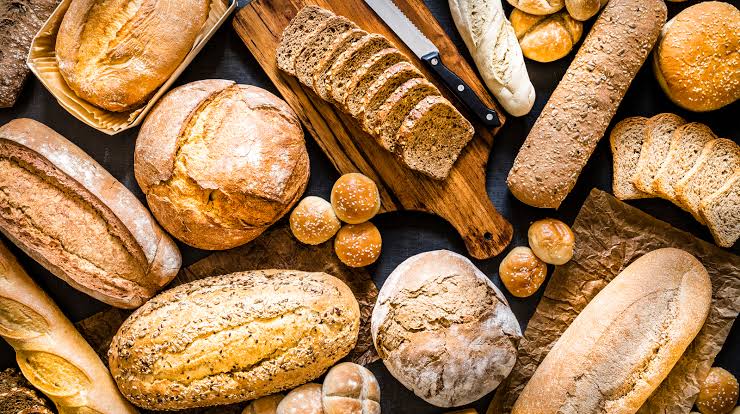
Bread is one of humanity’s oldest and most widespread foods. In 2018, archaeologists in Jordan discovered the remains of a flatbread about 14,000 years old, made by hunter-gatherers long before farming began. This suggests that people were baking bread well before they grew wheat. Once agriculture developed, bread became central to daily life. In ancient Egypt, bakers discovered that dough left to rest would rise, and they produced the first leavened loaves. Bread was so valuable that workers on great monuments were often paid in loaves and beer. The Romans turned baking into a large industry, with public bakeries and mills powered by water. Their rulers also handed out free grain to citizens, hoping to keep the population calm. Bread took different forms around the world. In India, people cooked chapati and naan on hot surfaces or in clay ovens, while in the Middle East, pita bread puffed up in intense heat. In Mexico, the tortilla, made from maize rather than wheat, became a staple long before Europeans arrived. In medieval Europe, bread reflected social class. The wealthy ate soft white loaves, whereas the poor ate darker bread made from rye or barley. Bakers were strictly controlled, and those who sold underweight loaves could be severely punished. The Industrial Revolution transformed bread again. Steel rollers produced cheap, refined flour, and by the twentieth century, factories were making sliced, wrapped loaves. Recently, however, many people have returned to traditional methods, such as sourdough, in search of better flavour and quality.